Home > meditation > Mantra Chanting
Mantra Chanting
Mantra Chanting: The Ancient Practice of Sound and Vibration
In a world full of noise, distractions, and constant stimulation, finding moments of peace can feel like a rare luxury. But what if you could tap into a powerful tool that’s been used for thousands of years to calm the mind, connect with the divine, and enhance your well-being? This tool is Mantra Chanting—a simple yet profound practice that leverages the power of sound and vibration to create deep transformation.
What is Mantra Chanting?
A mantra is a word, sound, or phrase that is repeated during meditation or spiritual practice. Derived from the Sanskrit words “man” (meaning "mind") and “tra” (meaning "instrument" or "tool"), a mantra is essentially a tool for the mind—a sound or vibration that can help focus your thoughts, calm your emotions, and deepen your connection to the present moment.
Mantra chanting involves the vocal repetition of these sacred sounds, often done aloud or silently in meditation. It’s an ancient practice found in many spiritual traditions, including Hinduism, Buddhism, Jainism, and even in the Tibetan and Sufi traditions. While the specific mantras may vary, the core principle remains the same: to use sound as a pathway to spiritual growth, mental clarity, and inner peace.
The Power of Sound and Vibration
At the heart of mantra chanting lies a deep understanding of the power of sound and vibration. Every sound, every syllable, has a particular vibrational frequency. When we chant a mantra, we align ourselves with the specific energy that the mantra embodies. The sounds help calm the mind, focus attention, and bring about a sense of peace and connection.
Sound, as a fundamental force of nature, has the ability to impact our brainwaves, emotions, and even our physical body. When we chant a mantra, especially in a rhythmic and consistent way, the vibrations can soothe the nervous system, reduce stress, and promote a deep sense of relaxation.
The Science Behind Mantra Chanting
Research has shown that mantra chanting can have profound psychological and physiological effects. Here’s how:
1. Reduces Stress and Anxiety
When we chant, especially using mantras that are simple and repetitive, the brain enters a meditative state. This helps activate the parasympathetic nervous system, responsible for "rest and digest." As a result, the heart rate slows down, blood pressure stabilizes, and stress levels decrease. Studies have even shown that chanting can lower cortisol, the stress hormone.
2. Increases Mindfulness and Focus
The repetitive nature of mantra chanting brings the mind into a single-pointed focus, much like mindfulness meditation. By focusing solely on the sound of the mantra, distractions fade away, and you become fully present in the moment. Over time, this can help improve concentration and mental clarity.
3. Enhances Emotional Well-Being
Chanting can be an emotional release. The rhythmic sound can help release emotional blockages and allow you to connect with feelings of joy, peace, and inner calm. It can be particularly healing for those dealing with emotional trauma, depression, or anxiety, offering a sense of safety and grounding.
4. Promotes Healing
Sound healing is a practice that dates back thousands of years. The vibrations created by chanting can stimulate the healing process, help balance energy, and promote physical well-being. Mantras like “Om” are considered to resonate with the universe’s natural frequency, promoting harmony both within and around us.
5. Spiritual Growth and Connection
For those on a spiritual journey, mantra chanting serves as a bridge to the divine. Many believe that mantras carry specific energies and vibrations that connect the individual with a higher consciousness, helping to cultivate love, compassion, and a deep sense of unity with the universe.
Popular Mantras and Their Meaning
While there are countless mantras to choose from, each with its own significance, here are a few of the most widely known and their meanings:
1. Om (ॐ)
Perhaps the most universal mantra, Om is considered the primordial sound of the universe, representing the creation, preservation, and destruction of the cosmos. It’s a sacred symbol that embodies the essence of existence itself and is often used to begin and end a meditation practice.
- Meaning: Represents the divine, the universe, and ultimate reality.
- Purpose: Calming, grounding, and aligning with the universal energy.
2. Om Mani Padme Hum
This Tibetan mantra is one of the most popular in Buddhism. It’s often referred to as the “jewel in the lotus” and is used to invoke compassion and wisdom.
- Meaning: "Om" (the sound of the universe), "Mani" (jewel), "Padme" (lotus), and "Hum" (spiritual union). Together, it represents the path to enlightenment through compassion.
- Purpose: Cultivating compassion, wisdom, and spiritual growth.
3. So Hum
A simple yet powerful mantra, So Hum is often used for mindfulness and breathing exercises. It’s a mantra that mirrors the natural breath, where "So" corresponds to the inhale, and "Hum" corresponds to the exhale.
- Meaning: "I am that," a reminder of our inherent connection to the universe and the divine.
- Purpose: Self-realization, peace, and mindfulness.
4. Gayatri Mantra
The Gayatri Mantra is one of the most revered mantras in Hinduism. It is dedicated to the Sun God and invokes the divine light to illuminate the mind and dispel ignorance.
- Meaning: "We meditate on the divine light of the supreme creator, who has created the universe, who is worthy of worship, and who is the source of all wisdom and enlightenment."
- Purpose: Illumination, wisdom, spiritual awakening.
5. Hare Krishna Mantra
This mantra is popular in the practice of Bhakti Yoga and is used to invoke the energy of divine love. It is said to open the heart and connect one with God in a very personal, devotional way.
- Meaning: "Hare" refers to the divine energy, "Krishna" refers to the divine presence, and "Rama" is a name of the divine.
- Purpose: Devotion, love, and connection with the divine.
How to Practice Mantra Chanting
Mantra chanting is a simple practice that can be done anywhere and at any time. Here’s how to get started:
- Choose Your Mantra: Pick a mantra that resonates with you. It could be one of the examples above or something personal to you. Choose one that feels aligned with your intentions, whether it’s for peace, love, healing, or spiritual growth.
- Set an Intention: Before you begin chanting, take a moment to set an intention for your practice. What do you wish to achieve through your chanting? This could be inner peace, clarity, or simply connecting with the present moment.
- Find a Quiet Space: Although you can chant anywhere, a quiet and comfortable space will allow you to fully immerse in the practice. Sit in a comfortable position, with your spine straight and your hands relaxed.
- Start Chanting: Begin by chanting your chosen mantra aloud, in a soft and gentle voice. If you’re meditating, you can chant silently in your mind. Focus on the sound and vibration, letting go of any distractions.
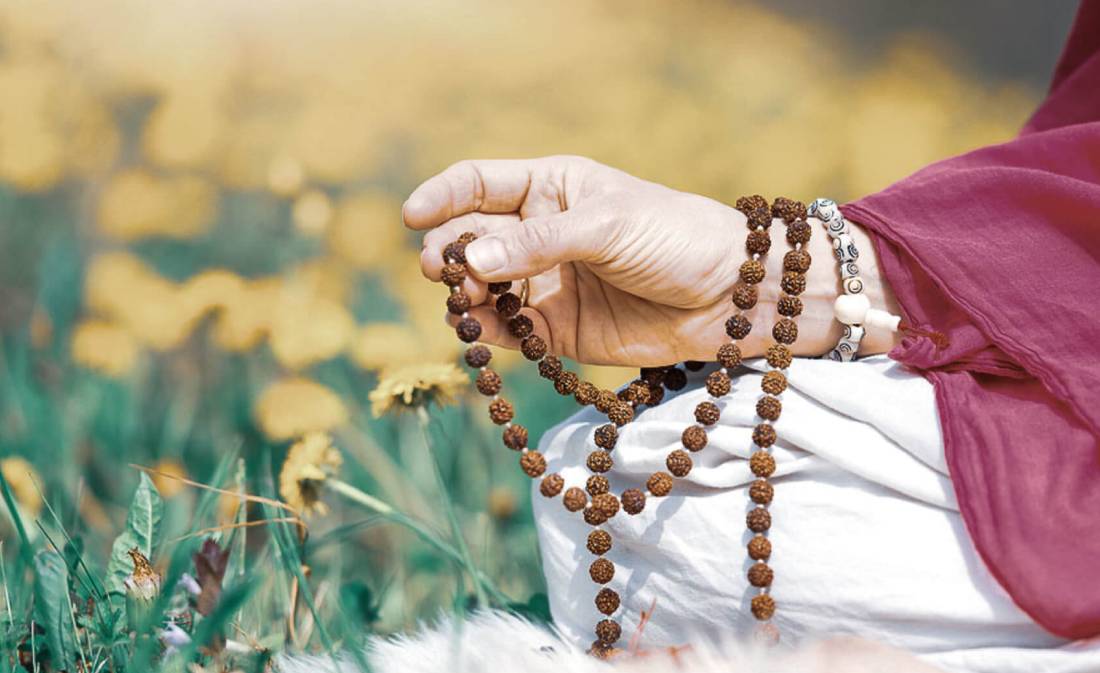
- Repeat: Chant for a set period of time, such as 5 or 10 minutes, or until you feel a sense of peace. You can also use a mala (prayer beads) to help keep track of repetitions.
- Close the Practice: When you’re done, take a few moments to sit in silence and observe how you feel. Notice any shifts in your energy, mood, or thoughts.
The Benefits of Mantra Chanting
- Calms the Mind: The rhythmic repetition of sound can quiet mental chatter and create a deep sense of stillness.
- Boosts Concentration: Focusing on the sound of the mantra improves concentration and mindfulness.
- Enhances Spiritual Connection: Mantra chanting is a powerful tool for deepening your spiritual practice and connecting with higher consciousness.
- Promotes Inner Peace: The vibrations of the mantra help soothe the nervous system, reduce stress, and promote a sense of inner calm.
Conclusion:
Mantra chanting is much more than just repeating words—it’s a transformative practice that connects you with the power of sound and vibration. Whether you seek relaxation, spiritual growth, or emotional healing, mantra chanting offers a simple yet powerful way to access a deep state of peace and well-being.
So the next time you feel overwhelmed or disconnected, consider taking a few minutes to chant a mantra. Let the power of sound guide you back to your center, remind you of your true essence, and help you align with the flow of life.
Gallery
